About Sodium Chlorite
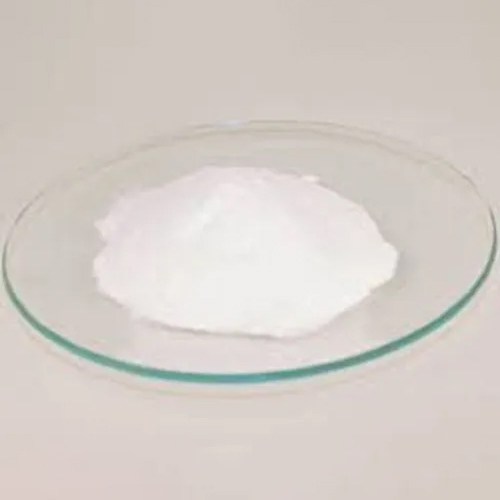
Sodium chlorite NaClO is a strong oxidizing chemical compound primarily used to generate chlorine dioxide for water disinfection bleaching and sanitization It is commonly supplied as a white crystalline solid or powder typically around 80 assay or as a colorless to greenishyellow aqueous solution often 2531
Versatile Applications in Industrial ProcessesSodium chlorite finds extensive use in water treatment, textile and paper bleaching, disinfection, and decomposing unwanted odors. Thanks to its effective oxidizing properties and high purity (typically 80% NaClO2), industries rely on it for municipal water disinfection and as a bleaching agent. Its solubility in water and alkaline properties further enhance its utility in various processes.
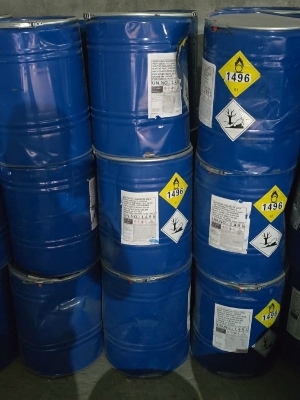
Safe Handling and Storage RecommendationsTo ensure safety and efficacy, sodium chlorite should be stored in a cool, dry, and well-ventilated area, away from strong acids, organic materials, and reducing agents. It is packed in sealed blue drums or HDPE barrels to prevent contamination and moisture absorption. Observe all hazard precautions, as it decomposes above 180C, releasing toxic gases.
FAQ's of Sodium Chlorite:
Q: How should sodium chlorite be handled and stored safely?
A: Sodium chlorite should be kept in a cool, dry, well-ventilated location, stored away from acids, reducing agents, and organic materials. Use sealed blue drums or HDPE barrels to protect it from moisture and contamination. Always wear protective equipment, as the compound is toxic and classified as an oxidizer.
Q: What are the main uses and benefits of sodium chlorite in industrial applications?
A: Sodium chlorite is primarily used for water disinfection, bleaching in pulp, paper, and textiles, and as a disinfectant and odor remover. Its strong oxidizing ability provides effective microbial control and whitening, enhancing the quality and safety of industrial and municipal processes.
Q: When does sodium chlorite decompose, and why is it important to control its temperature?
A: Sodium chlorite begins to decompose at temperatures above 180C, releasing toxic gases. Maintaining storage and processing environments below this temperature is crucial to prevent hazardous decomposition and ensure safety.
Q: Where is sodium chlorite commonly applied or utilized?
A: Sodium chlorite sees widespread use in water treatment plants, textile factories, paper mills, and facilities requiring industrial-grade disinfectants. Its versatility makes it indispensable in settings demanding reliable oxidation and microbial control.
Q: What should be avoided when using or storing sodium chlorite?
A: Avoid contact with strong acids, organic substances, and reducing agents, as these can trigger hazardous reactions. Never store it near flammable materials, and ensure containers remain sealed and properly labeled.
Q: Can sodium chlorite be consumed or used in food applications?
A: No, sodium chlorite is toxic and unsuitable for consumption or food-related uses. It is strictly designated for industrial and technical-grade processes.

 Send Inquiry




 Send Inquiry


 Send Inquiry
 English
 Spanish
 French
 German
 Italian
 Chinese (Simplified)
 Japanese
 Korean
 Arabic
 Portuguese
